

If you've been searching for Alive Water reviews, you've probably noticed that this is not positioned like ordinary bottled water.
Alive Water delivers natural spring water in reusable glass jugs, keeps the water refrigerated through its delivery process, and emphasizes naturally occurring minerals, silica, plastic reduction and sustainability.
It also makes some more unusual claims about "energetic vibrance," water structure and optimal hydration.
That creates a simple question:
Is Alive Water actually worth paying a premium for?
The answer depends on what you're buying it for.
If your priority is simply getting safe drinking water as cheaply as possible, Alive Water is difficult to justify on price alone.
If you value spring-water taste, reusable glass, home delivery, mineral content and avoiding conventional plastic water bottles, the proposition becomes much more interesting.
The current standard delivery plan starts at $104 every four weeks for four 2.5-gallon glass jugs, or 10 gallons per delivery. There is also a $33 refundable deposit per jug, meaning the first order can cost substantially more than subsequent deliveries.
Here's what you should know before signing up
.
Alive Water is a legitimate premium spring-water delivery service, but its value depends much more on your priorities than on any claim that it is inherently healthier than every other source of drinking water.
The company's current water-quality page lists two spring sources:
The published analyses show naturally occurring minerals and report no detection of several listed contaminants, including PFAS, pesticides and herbicides in the displayed results.
The delivery model is distinctive:
You are paying for considerably more than water.
You're paying for:
spring sourcing + glass + delivery + refrigeration + pickup + convenience + the brand's sustainability model.
If those things matter to you, Alive Water can make sense.
If you're primarily optimizing for cost per gallon, filtered tap water or another water-delivery service will likely be much easier to justify.
Alive Water is a spring-water delivery company founded around the idea of returning to naturally sourced spring water.
The company says its water comes from selected natural springs and is delivered in reusable glass rather than conventional plastic containers.
Its current product ecosystem includes:
The brand also operates Find a Spring, a resource designed to help people locate natural springs where they can collect their own water.
That tells you something important about the company's positioning.
Alive Water isn't really selling itself as a conventional bottled-water company.
It's selling a hydration lifestyle centered around natural spring water.
This is probably the most tangible difference.
Each delivery uses reusable glass jugs that are collected and put back into circulation.
The standard delivery container holds 2.5 gallons.
According to Alive Water, the jugs are washed and reused rather than being treated as single-use packaging.
For people specifically trying to reduce their use of plastic beverage containers, this is a straightforward benefit.
It also changes the drinking experience.
A glass jug sitting on a countertop looks and feels very different from a disposable plastic water bottle.
The downside is obvious:
glass is heavier and more fragile.
That matters if you need to move the jugs yourself.
Alive Water publishes mineral analyses for its two current spring sources.
The displayed analysis reports:
The same displayed analysis reports no detected pesticides, herbicides, VOCs, radioactive isotopes or PFAS.
The displayed analysis reports:
Pesticides, herbicides, VOCs, radioactive isotopes, PFAS and fluoride are listed as not detected in the displayed results.
This is one of the strongest parts of Alive Water's proposition because shoppers can actually see mineral and contaminant information rather than simply being told that the water is "pure."
However, note that the mineral profile varies between springs.
So there isn't one universal Alive Water composition.
Your water depends on the source serving your area.
This is where you need to separate the measurable characteristics from the marketing.
Alive Water says its spring water is mineral-rich and positions those minerals as beneficial for hydration and health. The company also markets its water as containing naturally occurring silica that supports skin, hair and nails.
Those are part of the company's value proposition.
But it would be a mistake to interpret them as proof that Alive Water is medically superior to all other drinking water.
Water is essential for hydration.
Minerals such as calcium, magnesium, potassium and sodium are also physiologically important.
Alive Water's published analyses demonstrate that its spring water contains some of these minerals.
The presence of minerals does not establish that drinking Alive Water will:
Those are much stronger claims.
The company's own marketing sometimes goes further, including its language around "energetic structure" and "vibrant" water.
Those claims should be understood as Alive Water's positioning, rather than established medical conclusions.
One of Alive Water's more unusual features is its vortexing process.
The company says the water is passed through a custom vortexing device lined with gold and gemstones and that the process restores the water's "energetic structure."
This is very different from ordinary water filtration or purification.
For a buyer, I would separate this into two questions:
Yes. Alive Water explicitly says it vortexes its water.
That's a much stronger claim, and the company's description shouldn't be treated as scientific proof of such benefits.
If you like the philosophy and experience surrounding the process, it may add to the product's appeal.
But I would not pay a premium specifically because you expect vortexing to produce a medically measurable effect.
This is probably the biggest objection for new customers.
The current standard plan is:
The first delivery is currently shown at $236, including the refundable $132 jug deposit.
The deposit isn't really a permanent cost if you return the jugs.
Alive Water explains that the deposit is $33 per jug and is refunded when the corresponding empty jugs are returned.
At the standard $104 plan:
$104 ÷ 10 gallons = $10.40 per gallon.
That is before considering any promotional changes, taxes or other checkout-specific charges.
That's a premium price.
You're therefore not really comparing Alive Water with inexpensive filtered tap water.
You're comparing it with other premium water delivery options and bottled spring/mineral water, while also factoring in the glass-container and delivery model.
Yes, compared with most alternatives.
But the more useful question is what you're comparing it with.
Extremely expensive.
Usually much more expensive per gallon.
The comparison becomes more complicated because Alive Water includes home delivery, reusable glass and jug pickup.
The economics depend heavily on how much bottled water you currently buy and which brands you purchase.
So I wouldn't market Alive Water as a "cheap way to drink better water."
It isn't.
Its pitch is premium convenience + spring water + reusable glass.
The current delivery system is designed to be relatively hands-off.
The company says it:
Customers can change delivery frequency, skip deliveries or cancel without a long-term contract.
That's a significant advantage over buying individual cases of bottled water.
Each standard jug contains 2.5 gallons.
The current plan lets customers select different numbers of jugs, ranging from small trial quantities to much larger orders.
Alive Water's current usage guidance says:
The company describes six 2.5-gallon jugs every four weeks as an average for one adult, although actual consumption obviously varies.
For someone who drinks a lot of water at home, the larger plans can make the delivery model more practical.
For a person who mostly drinks water outside the home, four jugs may already be more than necessary.
The size is worth discussing because it's part of the user experience.
Alive Water deliberately uses 2.5-gallon jugs rather than 5-gallon jugs.
The company says this is because 2.5-gallon containers are:
That's sensible from a practical perspective.
A 2.5-gallon jug weighs around 21 pounds when full, so it is still substantial.
If you have difficulty lifting or moving heavy containers, the delivery setup and where you want the dispenser positioned matter.
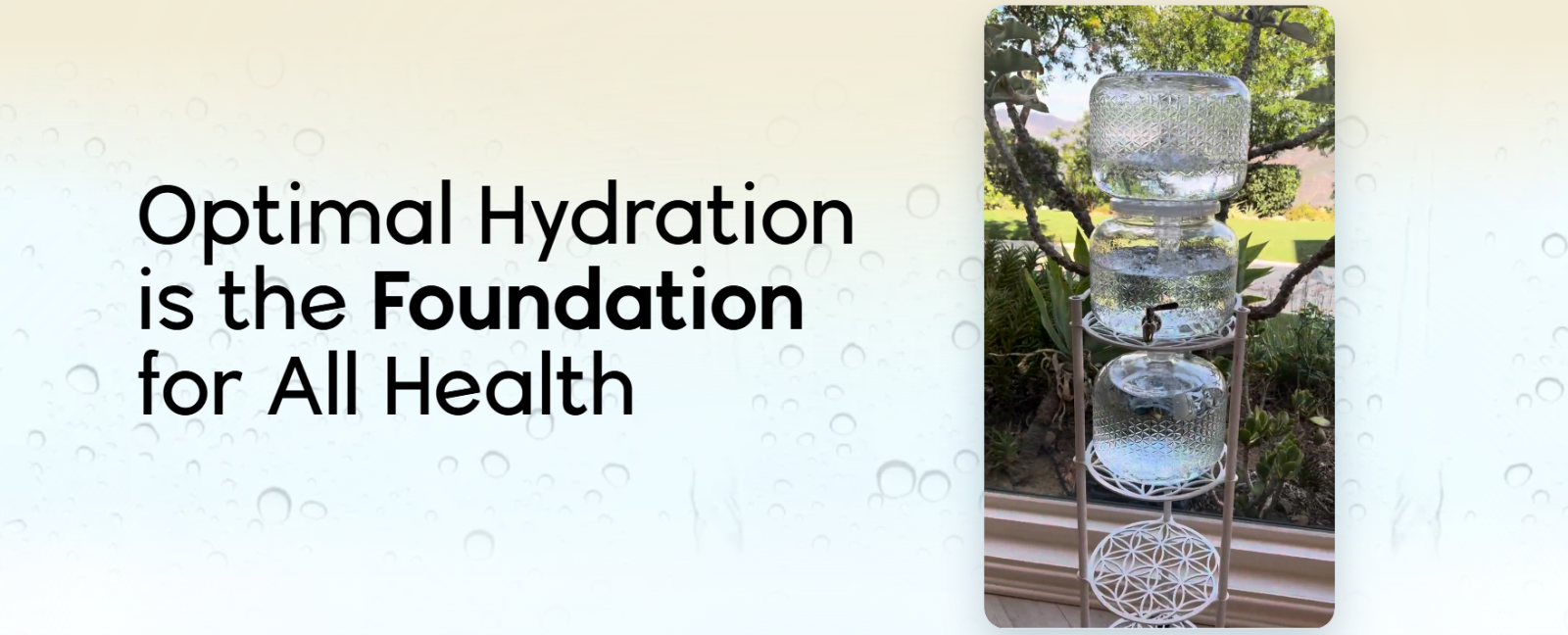
The current 2.5-gallon dispenser is an Italian-glass unit with a stainless-steel spigot.
It is listed at $77 separately and is currently offered free as part of the new-customer delivery promotion under the qualifying plan.
The dispenser is a meaningful part of the product experience.
Instead of opening a bottle every time you want water, the jug becomes part of your kitchen or home setup.
The aesthetic element is clearly intentional.
Alive Water is selling something that can sit visibly in your home rather than something you hide in a refrigerator.
Alive Water currently displays more than 3,500 reviews on its dedicated review page.
The current distribution shown by the company is approximately:
That is substantial review volume.
However, there is an important qualification:
These are reviews hosted by Alive Water itself.
They provide useful information about customer experiences but aren't the same as independent third-party review data.
Common positive themes include:
For example, current verified customer reviews praise the taste and delivery service, while another reviewer describes the glass jugs and water quality very positively.
There are also negative experiences.
The current review page includes a customer criticizing what they described as "penny pinching" around a bottle-pickup fee and another customer saying they wanted to modify an order but the shipment went out before the change could be made.
Those complaints are useful because they identify a different kind of risk:
The water itself may not be the problem; the subscription/delivery logistics can be.
That's important for someone deciding whether a premium delivery service is worth it.
Sustainability is a major part of the brand.
Alive Water says:
These are primarily company-reported sustainability claims.
The reusable-glass aspect is the most straightforward part to understand.
However, a full environmental comparison would also need to account for:
So it would be too simplistic to claim that reusable glass automatically has a lower environmental footprint in every scenario.
The strongest defensible point is that Alive Water's model is designed to avoid single-use plastic water containers through repeated jug reuse.
This is probably the most important comparison for a potential buyer.
You get:
But you pay a substantial recurring premium.
A good home filtration system can provide:
But filtration performance depends heavily on the system and maintenance.
Some systems also remove minerals along with contaminants.
If your main objective is contaminant reduction at the lowest long-term cost, compare filtration systems based on their specific certifications and contaminant-removal capabilities.
If your priority is spring-water taste, glass storage and delivered convenience, Alive Water is a different proposition.
Alive Water has several advantages over buying individual disposable bottles:
But disposable bottled water has one major advantage:
flexibility.
You can buy exactly what you need without subscribing to a recurring delivery service.
You also don't have to store and return heavy glass jugs.
So this comparison comes down to convenience versus infrastructure.
Alive Water says its water is collected from covered spring heads and tested for contaminants and harmful bacteria.
Its current water-quality page publishes source-specific analyses, including contaminant results.
The displayed reports are reassuring for the listed contaminants.
However, water quality is source-specific and can change over time.
For that reason, I would pay attention to the actual current report for the spring serving your location, rather than treating one analysis as proof of permanent water quality.
This is one area where Alive Water deserves credit for making source information publicly accessible.